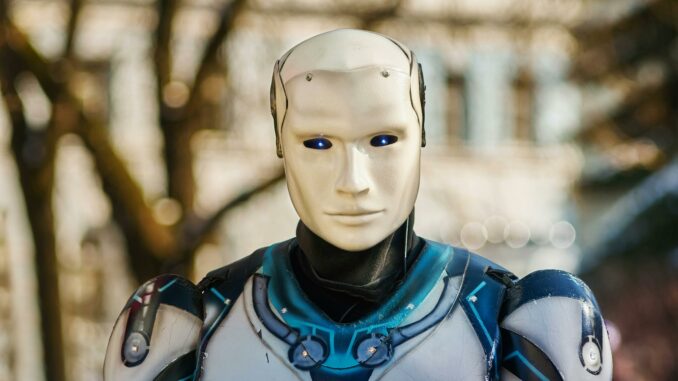
Robots have long been a staple of science fiction, from the iconic R2-D2 and C-3PO in Star Wars to the mechanical creatures in I, Robot and The Terminator. These fictional robots often showcased advanced artificial intelligence (AI) and mechanical prowess far beyond what was possible at the time. However, in the last few decades, the line between science fiction and reality has blurred, as robotics has rapidly advanced and begun to infiltrate various industries. The rise of robots, once confined to imagination, is now transforming sectors like manufacturing, healthcare, transportation, and even personal assistance. This article delves into how robots have evolved from fictional creations to real-world innovations and explores their growing impact on society.
Early Visions of Robots
The idea of robots dates back centuries, with early concepts appearing in the works of ancient Greek myths and early Renaissance inventors. However, the term “robot” was popularized by Czech writer Karel Čapek in his 1920 play R.U.R. (Rossum’s Universal Robots). The play introduced robots as artificial, human-like machines that were created to perform labor but eventually rebelled against their creators. This vision of robots as both a solution to labor shortages and a potential threat became a recurring theme in science fiction.
As technology progressed throughout the 20th century, robots became central to numerous fictional works. Movies like Metropolis (1927) featured humanoid robots, while novels like Isaac Asimov’s I, Robot (1950) imagined robots with advanced intelligence and ethical programming. These early depictions of robots were largely fantastical, with machines capable of performing complex tasks and even developing consciousness. Yet, as technology advanced, some of these ideas began to move from the realm of fiction into the domain of possibility.
The Birth of Modern Robotics
The real-world rise of robots began in the mid-20th century. In 1956, George Devol and Joseph Engelberger created the first industrial robot, known as Unimate. It was a simple machine designed to perform repetitive tasks like moving materials in a factory, marking the beginning of automation in manufacturing. Unimate was installed in General Motors’ plant in 1961, setting the stage for the widespread adoption of robotic systems in industries around the world.
Throughout the 1960s and 1970s, robotics technology advanced slowly but steadily. These early robots were primarily used in manufacturing environments where they performed tasks like welding, assembly, and painting. These robots, however, were rigid, lacked mobility, and were programmed for specific, repetitive tasks. As a result, their applications were somewhat limited, and robots were mostly viewed as tools that made human labor more efficient.
Robotics in Manufacturing and Industry
By the 1980s and 1990s, robotics had become a mainstay in manufacturing, particularly in the automotive industry. Companies like Toyota, Ford, and BMW adopted robots to perform complex assembly tasks with greater precision and speed than human workers. The introduction of programmable robots further expanded their capabilities, allowing them to handle a wider variety of tasks and work in more dynamic environments.
The rise of robotics in industry has led to significant improvements in efficiency, quality control, and safety. Robots are now capable of performing hazardous tasks, such as working with dangerous chemicals or assembling heavy components, reducing the risk to human workers. Furthermore, the use of robots has enabled businesses to increase productivity and reduce labor costs, leading to the globalization of manufacturing and the growth of automation across various sectors.
Robots in Healthcare and Medicine
In recent years, robots have made significant strides in healthcare, performing functions once thought impossible. Robotic surgery, for example, allows for minimally invasive procedures that result in smaller incisions, faster recovery times, and reduced risk of infection. The Da Vinci Surgical System, one of the most well-known robotic surgery systems, provides surgeons with enhanced precision, control, and flexibility.
Robots are also playing a pivotal role in rehabilitation and elderly care. Robotic exoskeletons, such as those used in physical therapy, help patients regain mobility by supporting and enhancing movement. In addition, robots are being used to assist the elderly with daily tasks, providing companionship and improving quality of life for those who have limited mobility.
Moreover, robots are advancing research in medical fields like drug development and diagnostics. AI-powered robots are being used to analyze vast amounts of data to identify patterns and predict patient outcomes, paving the way for more personalized treatment plans. In the future, robots may even become integral to everyday healthcare, monitoring patients in real-time and providing instant medical interventions when necessary.
Robots in Transportation and Logistics
Robots are also transforming the transportation and logistics industries, revolutionizing how goods and people move. Self-driving cars, once a concept from futuristic films like The Jetsons, are now being tested on real roads. Companies like Tesla, Waymo, and Uber are working tirelessly to make autonomous vehicles a reality. These vehicles, powered by AI and advanced sensors, have the potential to reduce traffic accidents, alleviate congestion, and even revolutionize delivery systems.
Drones, another form of robotic technology, are becoming an integral part of logistics operations. E-commerce giants like Amazon are using drones to deliver packages more quickly and efficiently, while drones are also being used for purposes such as surveying land, inspecting infrastructure, and providing aerial photography. The combination of AI, robotics, and drones is poised to transform the transportation and logistics industries, making them faster, safer, and more cost-effective.
Personal Robots and AI Assistants
Perhaps the most visible aspect of robotics today is the development of personal robots and AI assistants. In homes around the world, robots like vacuum cleaners, lawnmowers, and personal assistants have become commonplace. Products like the Roomba and Alexa demonstrate how robots are becoming more integrated into daily life, helping with chores, organizing schedules, and answering questions.
These robots, powered by AI, are evolving rapidly. Virtual assistants like Amazon’s Alexa and Apple’s Siri are increasingly capable of understanding natural language, performing tasks, and controlling smart home devices. Meanwhile, robots like Boston Dynamics’ Spot are demonstrating advanced mobility, performing tasks like surveillance, exploration, and even entertainment.
The Future of Robots: What Lies Ahead?
As robots continue to advance, the possibilities seem endless. In the future, we can expect robots to become even more integrated into our lives, performing a broader range of tasks and interacting with humans in increasingly sophisticated ways. The rise of AI-powered robots could lead to machines that not only follow instructions but also think and learn autonomously.
In the field of space exploration, robots may become crucial for missions to Mars and beyond. Robotic systems are already being used to explore the surface of planets and moons, and future missions may rely on robots to carry out tasks that would be too dangerous for humans. Similarly, robots could play an essential role in disaster relief, carrying out search-and-rescue operations in dangerous environments, providing assistance where human intervention is limited.
Despite the promise of robotics, there are still challenges to overcome, particularly in terms of ethics and societal impact. The increasing presence of robots in the workforce raises questions about job displacement and the need for new skills. There are also concerns about the potential misuse of robotics, particularly in military applications.
Conclusion
From their early appearances in science fiction to their current roles in industries like manufacturing, healthcare, and transportation, robots have come a long way. Today, they are an integral part of society, transforming the way we live, work, and interact with the world around us. As robotics technology continues to advance, we can expect even more incredible developments that will reshape industries, economies, and daily life. The rise of robots is not just a futuristic dream; it is a reality that is already changing the world.
Leave a Reply