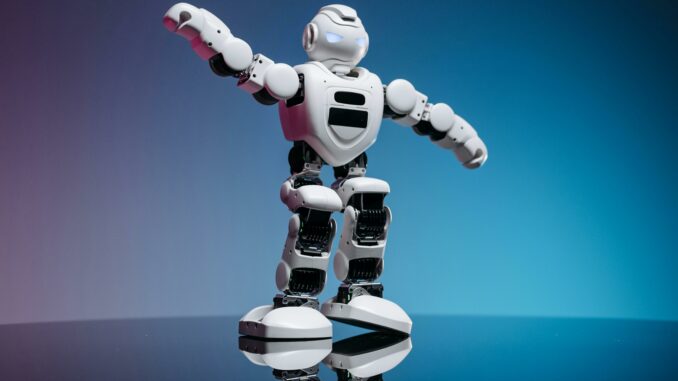
Modern robotics is a rapidly advancing field that combines engineering, artificial intelligence (AI), and machine learning to create machines capable of performing tasks once thought to be solely within the realm of human ability. From industrial robots that assemble products to autonomous vehicles that navigate busy streets, the applications of robotics are vast and ever-growing. This article will explore the current landscape of robotics, discussing its development, types of robots, applications, and the future potential of this exciting technology.
The Foundations of Modern Robotics
Modern robotics began as a combination of mechanical engineering, electronics, and computer science. The term “robot” itself was first coined by Czech writer Karel Čapek in his 1920 play R.U.R. (Rossum’s Universal Robots), though the concept of mechanical beings dates back to ancient myths and early inventions. However, the true birth of modern robotics is often attributed to the mid-20th century when the development of programmable machines capable of performing tasks autonomously began to take shape.
The first industrial robot, Unimate, was introduced in 1961. It was developed by George Devol and Joseph Engelberger to automate the process of moving parts around a General Motors factory. This robot was a major breakthrough in manufacturing, demonstrating that machines could replace humans for repetitive or dangerous tasks, improving efficiency and safety.
Key Components of Modern Robots
Modern robots are complex systems that integrate a variety of technologies. Some of the key components include:
Sensors: Sensors serve as the robot’s senses, enabling it to perceive and understand its environment. Common sensors used in robotics include cameras, infrared sensors, and ultrasonic sensors, all of which allow robots to detect obstacles, navigate spaces, and interact with objects.
Actuators: Actuators are the parts of a robot that allow it to move and manipulate objects. These are often motors or hydraulic systems that convert energy into physical motion. Whether a robot is picking up an object or moving across a room, actuators are what allow it to perform physical actions.
Controllers: The controller acts as the “brain” of the robot, processing the information received from sensors and directing the actuators accordingly. This involves running complex algorithms that dictate the robot’s actions based on its environment.
Software and Artificial Intelligence (AI): Software is what makes robots smart. AI enables robots to learn from their experiences, adapt to new situations, and improve their performance over time. This includes machine learning, where robots can analyze large datasets and learn patterns, improving their decision-making capabilities.
Power Supply: Like any machine, robots require power. They may be battery-operated, powered by electricity, or use other energy sources depending on their function and mobility requirements.
Types of Modern Robots
Robots come in a variety of shapes, sizes, and capabilities, tailored for specific tasks and industries. The main types of modern robots include:
Industrial Robots: These robots are primarily used in manufacturing and assembly lines. They perform repetitive tasks such as welding, painting, and packaging with high precision. Their use has drastically improved production efficiency in industries such as automotive and electronics.
Service Robots: Service robots are designed to assist humans in non-industrial environments. For example, robotic vacuum cleaners like the Roomba can autonomously clean homes. Other service robots are used for delivery, assistance in hospitals, and even as companions for the elderly.
Medical Robots: In healthcare, robots have revolutionized surgeries and patient care. Surgical robots, such as the Da Vinci Surgical System, allow for minimally invasive operations with greater precision. Rehabilitation robots assist patients with mobility issues, and robotic exoskeletons help those with paralysis to regain movement.
Autonomous Robots: These robots are designed to perform tasks without human intervention. Examples include self-driving cars, drones, and robots used in hazardous environments. They rely heavily on sensors, AI, and machine learning algorithms to navigate and complete their tasks autonomously.
Humanoid Robots: Humanoid robots are designed to resemble humans in both appearance and function. These robots are often used in research and entertainment, as they can walk, talk, and interact with people. Robots like Boston Dynamics’ Atlas or SoftBank’s Pepper are examples of humanoid robots being developed for various roles, from entertainment to customer service.
Educational Robots: Used in schools and universities, educational robots aim to teach students about programming, engineering, and robotics in a hands-on way. These robots help young learners gain valuable skills that could be used in future careers in STEM fields.
Applications of Modern Robotics
Robotics has far-reaching applications across many sectors of society. Some of the most significant applications include:
Manufacturing: Robots have been used in manufacturing for decades, performing tasks like assembly, welding, and quality control. These robots are highly precise and can work continuously without rest, making them invaluable in factories. Modern advancements in AI have also allowed robots to become more flexible, adapting to changing tasks and production lines.
Healthcare: Robotic systems in healthcare have made significant advancements in recent years. Robots now assist in complex surgeries, helping surgeons perform operations with greater precision and less invasiveness. Additionally, robots are used for rehabilitation, therapy, and even patient care in hospitals, where they can provide companionship and monitor vital signs.
Logistics and Warehousing: E-commerce giants like Amazon use robots extensively in their distribution centers. Autonomous robots are used to move packages, stock shelves, and sort items efficiently. This reduces the workload on human employees and speeds up the entire supply chain.
Agriculture: Robotics in agriculture is becoming increasingly common, with robots being used for tasks such as planting, harvesting, and monitoring crops. These robots help farmers by improving precision and reducing labor costs, while also promoting sustainable farming practices by minimizing waste.
Exploration: Robots have played a key role in exploring environments that are hazardous or inaccessible to humans, such as deep-sea exploration and space missions. NASA’s rovers, including Curiosity and Perseverance, have been exploring Mars for years, gathering important data about the planet’s geology and climate.
Entertainment and Consumer Products: Robotics has also made its mark in entertainment, from theme park animatronics to robots used in movies and video games. Additionally, consumer products like robotic pets and toys offer entertainment and companionship, particularly for children and the elderly.
The Future of Robotics
The future of robotics is incredibly promising, with new developments constantly reshaping the landscape. Some key trends shaping the future of robotics include:
Artificial Intelligence and Machine Learning: AI is making robots smarter by allowing them to learn from their experiences and adapt to new tasks. Future robots will be able to make more autonomous decisions, handle complex tasks, and work alongside humans in various industries.
Human-Robot Collaboration: The next generation of robots will be designed to work seamlessly alongside humans, whether in manufacturing, healthcare, or service industries. Robots that can assist humans while understanding their needs and working in harmony will play a significant role in shaping the workforce of the future.
Soft Robotics: Soft robotics is a growing field focused on creating robots made of flexible, elastic materials. These robots have the potential to handle delicate tasks, such as working with fragile objects or assisting in medical procedures like surgeries.
Robotics for Sustainability: As environmental concerns grow, robots will increasingly play a role in solving global challenges. This includes robots used in renewable energy, waste management, and even tackling climate change. For example, robots may assist in cleaning up ocean pollution or managing waste more effectively.
Ethical Considerations: As robots become more integrated into daily life, ethical concerns will rise, particularly with issues like job displacement, privacy, and decision-making in autonomous systems. Addressing these concerns will be critical to ensuring that robots are used for the benefit of society.
Conclusion
Modern robotics is a dynamic and transformative field that continues to change the way we live, work, and interact with the world around us. With advancements in AI, machine learning, and other cutting-edge technologies, robots are becoming increasingly autonomous and versatile. The applications of robotics span from industrial settings to healthcare, agriculture, and beyond. As we continue to explore the world of modern robotics, it is clear that these intelligent machines will play an even greater role in shaping the future, solving complex problems, and improving the quality of life for people around the world.
Leave a Reply