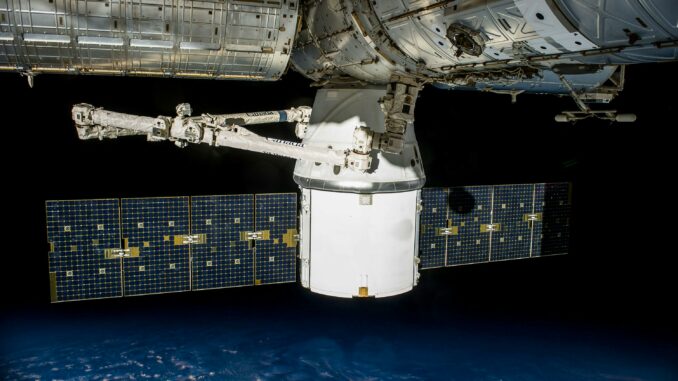
Aerospace technology has been one of the most significant drivers of human progress over the past century. From the earliest attempts to achieve flight to the cutting-edge advancements that define modern aviation and space exploration, aerospace technology has shaped the world in profound ways. The evolution of this field has not only led to the creation of faster, more efficient aircraft but has also opened the door to space exploration, providing a platform for scientific discovery and international cooperation. This article explores the journey of aerospace technology from its early beginnings, its current state, and the exciting future that lies ahead.
The Past: The Dawn of Flight and Space Exploration
The history of aerospace technology dates back to the early 20th century when humans first took to the skies. The Wright brothers, Orville and Wilbur Wright, made their first successful powered flight in 1903, a landmark event that marked the beginning of human flight. This achievement, though modest by today’s standards, laid the foundation for all subsequent developments in aviation. In the decades that followed, advancements in engine design, aerodynamics, and materials science gradually improved the performance and safety of aircraft, making air travel more reliable and accessible.
The next major leap in aerospace technology came with the development of jet engines in the 1930s and 1940s. The introduction of jet propulsion allowed aircraft to fly at much higher speeds and altitudes, paving the way for the creation of commercial airliners and military jets. During World War II, the rapid technological advances in aviation were spurred by the need for more efficient and powerful aircraft. This period also saw the birth of the first rockets, which would eventually lead to humanity’s journey beyond Earth.
The space race between the United States and the Soviet Union during the Cold War was another pivotal chapter in the history of aerospace technology. In 1961, Soviet cosmonaut Yuri Gagarin became the first human to travel into space, followed by the United States’ Mercury and Apollo programs. The most iconic moment of this era was the Apollo 11 moon landing in 1969, when astronaut Neil Armstrong took the first steps on the lunar surface, a feat that captured the imagination of people worldwide and demonstrated the power of human ingenuity in space exploration.
The Present: Cutting-Edge Innovations in Aviation and Space Technology
Aerospace technology has continued to evolve in the modern era, with significant advancements in both aviation and space exploration. The current state of aerospace technology is defined by improvements in aircraft efficiency, the development of reusable space vehicles, and the growing role of artificial intelligence and automation in both industries.
Sustainable Aviation: As environmental concerns continue to grow, the aerospace industry has increasingly focused on reducing its carbon footprint. Sustainable aviation fuel (SAF) has emerged as a key solution to reducing carbon emissions from aircraft. SAF is made from renewable sources such as algae or agricultural waste and can be used in existing jet engines with little modification. Many airlines and aerospace manufacturers are also working on electric and hybrid-electric aircraft, which could reduce the reliance on fossil fuels and make air travel more environmentally friendly.
Commercial Space Travel: Space tourism, once considered a fantasy, is now a reality, thanks to advancements made by private companies like SpaceX, Blue Origin, and Virgin Galactic. These companies have developed reusable rockets, which have dramatically reduced the cost of space travel and opened the door for civilian astronauts. In addition to space tourism, private companies are working on missions to the Moon and Mars, with the goal of establishing human colonies on other planets in the future.
Artificial Intelligence and Automation: Artificial intelligence (AI) is playing an increasingly important role in aerospace technology, particularly in the areas of autonomous flight and spacecraft navigation. AI algorithms are being used to optimize flight paths, enhance safety, and predict maintenance needs. For instance, AI-driven systems can monitor the health of aircraft and make real-time adjustments to flight routes, improving operational efficiency. The rise of autonomous drones and aircraft is another example of how AI is transforming the aerospace industry, potentially reducing human error and increasing the safety of air travel.
Hypersonic Technology: Hypersonic flight, defined as speeds greater than five times the speed of sound (Mach 5), is another area of active research in aerospace technology. While hypersonic flight has not yet reached full commercial viability, several countries, including the United States, China, and Russia, are investing heavily in the development of hypersonic vehicles. These vehicles have the potential to revolutionize air travel by drastically reducing the time it takes to travel from one part of the world to another. In addition to its applications in aviation, hypersonic technology could also play a critical role in military defense and space exploration.
The Future: What Lies Ahead for Aerospace Technology?
The future of aerospace technology is incredibly promising, with new frontiers in aviation and space exploration expected to transform how we travel, explore, and live. While some of these advancements are still in the early stages of development, they hold the potential to change the way humanity interacts with the skies and space.
Urban Air Mobility (UAM): One of the most exciting developments in the aerospace industry is the concept of Urban Air Mobility (UAM), which involves using electric Vertical Take-Off and Landing (eVTOL) aircraft to transport people within urban environments. These aircraft would take off and land vertically, eliminating the need for runways and making them ideal for congested cities. eVTOL aircraft are being developed by companies like Joby Aviation and Lilium, with the goal of providing fast, sustainable, and efficient transportation in cities around the world. While challenges related to safety, infrastructure, and regulatory approval remain, UAM has the potential to revolutionize how people move within cities.
Mars Colonization: Space exploration is also poised to take humanity beyond Earth in the coming decades, with Mars being the next major target. NASA’s Artemis program aims to return humans to the Moon by 2024, with plans to establish a sustainable presence there by the 2030s. This mission will serve as a stepping stone for future missions to Mars, with SpaceX’s Starship being a key vehicle for transporting people and cargo to the Red Planet. While the challenges of living on Mars—such as radiation exposure, limited resources, and harsh environmental conditions—are immense, the potential for human colonization of Mars has captured the imaginations of scientists, engineers, and space enthusiasts alike.
Advanced Propulsion Systems: The development of advanced propulsion systems is another area of focus for the future of aerospace technology. Nuclear propulsion, for instance, could make space travel faster and more efficient, enabling missions to distant planets or even other star systems. In aviation, the development of sustainable and efficient propulsion systems—such as electric motors, hybrid engines, and green fuels—could help reduce the environmental impact of air travel while providing faster and cheaper transportation.
Space Mining and Resource Utilization: As space exploration continues to expand, the ability to mine resources from asteroids and the Moon could become a reality. Space mining could provide access to valuable materials like rare metals and water, which could be used to support long-term space missions or even be transported back to Earth. Additionally, the establishment of in-space manufacturing capabilities could help build the infrastructure necessary for future space missions, including space stations and lunar bases.
Conclusion
Aerospace technology has come a long way since the Wright brothers made their first powered flight in 1903. From the early days of aviation to the current era of space tourism and sustainable aviation, aerospace technology has had a profound impact on the world. Looking to the future, advancements in areas such as hypersonic flight, urban air mobility, Mars colonization, and advanced propulsion systems promise to redefine how we travel, explore, and live. As the industry continues to push the boundaries of what is possible, it is clear that the journey of aerospace technology is far from over. The future of flight and space exploration holds exciting possibilities that could transform humanity’s place in the universe.
Leave a Reply