The aerospace industry has always been at the forefront of technological advancement. From the first successful flight of the Wright brothers to the modern-day developments in space exploration, innovations in aerospace have consistently pushed the boundaries of human knowledge and engineering. In recent years, the industry has seen incredible breakthroughs, driven by advancements in materials science, propulsion technology, artificial intelligence, and space exploration. This article explores some of the most exciting innovations at the cutting edge of aerospace technology today.
1. Revolutionizing Propulsion Systems
One of the most critical areas of innovation in aerospace technology is propulsion. Propulsion systems are the heart of any aircraft or spacecraft, and advancements in this field have the potential to transform the industry.
Electric Propulsion: Electric propulsion systems are poised to revolutionize aviation, with several companies and organizations exploring electric aircraft. Electric motors offer significant advantages over traditional jet engines, including reduced emissions, lower fuel costs, and quieter operations. While fully electric aircraft for commercial flights are still in the experimental phase, smaller, regional electric aircraft are already being developed. Companies like Vertical Aerospace and Joby Aviation are at the forefront of this innovation, working on electric vertical take-off and landing (eVTOL) aircraft, which could radically change urban air mobility.
Hybrid Propulsion: Hybrid propulsion is another area of active research, combining the efficiency of electric systems with the power of traditional fuel-based engines. This technology has the potential to reduce carbon emissions while maintaining the long-range capabilities required for commercial aviation. Hybrid propulsion could also be a stepping stone toward fully electric aircraft, making it a critical part of the transition to sustainable aviation.
Space Propulsion: For space exploration, propulsion systems have also seen exciting developments. Traditional chemical rockets are being supplemented by more efficient options like ion thrusters and nuclear propulsion. NASA and private companies like SpaceX are investing in advanced propulsion technologies that could drastically reduce travel time to distant planets and enable more frequent missions.
2. Next-Generation Aircraft Materials
The materials used in aircraft and spacecraft are crucial for ensuring safety, reducing weight, and improving fuel efficiency. Over the years, aerospace engineers have developed new materials that offer these advantages, and recent innovations have taken these materials to new heights.
Lightweight Composites: Composites, particularly carbon fiber-reinforced polymers, are increasingly being used in aircraft manufacturing. These materials are not only stronger and more durable than traditional metals but are also much lighter, which helps reduce fuel consumption and emissions. The Boeing 787 Dreamliner, for example, is made up of approximately 50% composite materials, significantly improving its fuel efficiency and range compared to older models.
Self-Healing Materials: Researchers are also exploring self-healing materials that can automatically repair damage. These materials contain microcapsules filled with a healing agent that is released when the material is damaged, allowing the material to “heal” and restore its structural integrity. This technology could enhance the safety and longevity of aircraft and spacecraft, reducing maintenance costs and downtime.
Aerogel Insulation: Aerogels are incredibly lightweight, highly insulating materials that are used in a variety of aerospace applications. Aerogel insulation is critical for protecting spacecraft during re-entry into Earth’s atmosphere, as it can withstand extreme temperatures. Recent advances in aerogel production are making it more cost-effective and accessible, potentially allowing for more efficient and durable spacecraft design.
3. Autonomous Flight and Artificial Intelligence
Autonomous flight technology is rapidly evolving, with applications ranging from drones to commercial airliners. The integration of artificial intelligence (AI) into aerospace systems has the potential to enhance safety, efficiency, and decision-making processes in aviation.
Autonomous Aircraft: Autonomous aircraft, both piloted and unpiloted, are a key area of research. While drones have already demonstrated the benefits of autonomous flight, larger, more complex aircraft are now being tested for full autonomy. AI and machine learning algorithms can help these aircraft navigate, avoid obstacles, and make decisions in real-time, improving both safety and operational efficiency. Several companies are developing autonomous systems for cargo delivery and passenger flights, with the goal of reducing human error and lowering operational costs.
AI-Driven Maintenance: Artificial intelligence is also playing a critical role in the maintenance of aerospace systems. Predictive maintenance powered by AI allows for real-time monitoring of aircraft components, helping to identify issues before they become critical. By analyzing data from sensors and historical performance, AI algorithms can predict when parts are likely to fail and recommend maintenance, reducing downtime and improving safety.
Air Traffic Control: AI is also being used to improve air traffic management. AI-driven systems can analyze vast amounts of data from radar, weather stations, and flight plans to optimize air traffic flow and reduce congestion. This innovation could make air travel more efficient and reduce delays, especially in busy airspace regions.
4. Space Exploration and Commercialization
The realm of space exploration has been undergoing a rapid transformation, with both government agencies and private companies taking ambitious steps toward the commercialization of space travel. These efforts promise to unlock new frontiers in science, technology, and even tourism.
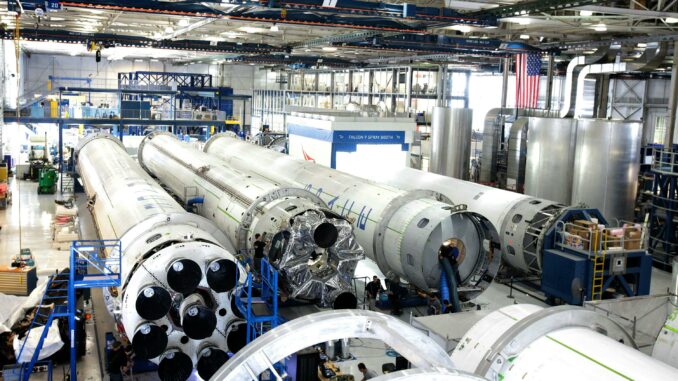
Reusable Rockets: One of the most significant innovations in space exploration is the development of reusable rocket technology. Companies like SpaceX have successfully launched and landed rockets multiple times, dramatically reducing the cost of space travel. Reusability has the potential to make space exploration more affordable, allowing for regular missions to the International Space Station (ISS), the Moon, and beyond.
Space Tourism: Space tourism, once a far-fetched dream, is becoming a reality. Companies like Blue Origin, SpaceX, and Virgin Galactic are working to make space travel accessible to private citizens. With advancements in reusable rockets and spacecraft, space tourism could soon become a thriving industry, allowing people to experience weightlessness and view Earth from space.
Lunar and Martian Exploration: The renewed interest in lunar exploration is also driving innovation in aerospace technology. NASA’s Artemis program aims to return humans to the Moon by 2025, using advanced spacecraft and technologies to ensure safe and sustainable exploration. Meanwhile, private companies like SpaceX are working on technologies that will allow for human missions to Mars, potentially paving the way for the first permanent human colony on another planet.
5. Sustainable Aerospace
As environmental concerns continue to grow, the aerospace industry is increasingly focused on sustainability. Innovations in eco-friendly aviation technology are key to reducing the industry’s carbon footprint.
Green Aviation Fuels: One of the most promising solutions for reducing emissions in aviation is the development of sustainable aviation fuels (SAF). These fuels are derived from renewable sources like algae, waste materials, or agricultural residues. SAF has the potential to significantly reduce carbon emissions from aviation, making air travel more sustainable. Several major airlines and aerospace companies are already testing and using SAF in their fleets.
Electric Aircraft: As mentioned earlier, the development of electric aircraft is another promising step toward sustainable aviation. By using electric propulsion systems, aircraft could eliminate the need for traditional jet fuel, reducing emissions and operating costs. Although large-scale electric commercial flights are still in the future, smaller aircraft and urban air mobility solutions are already paving the way for greener aviation.
Conclusion
The cutting edge of aerospace innovation is defined by a wide range of technologies that are set to revolutionize how we travel, explore space, and live in the future. From advancements in propulsion and materials science to the integration of AI and the commercialization of space, aerospace is pushing the boundaries of what is possible. As these innovations continue to evolve, they will not only shape the future of the aerospace industry but also impact other sectors, offering new opportunities for science, exploration, and sustainability. With continued investment and research, the next era of aerospace technology promises to be more exciting and transformative than ever before.
Leave a Reply